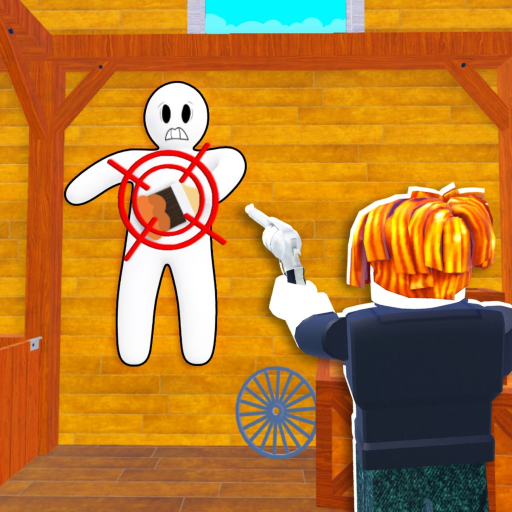
Pick your spot before painting
Before visiting a color pool, decide which surface you'll hide against. The pool color must match the dominant color of that surface.
The most effective hiding spots in Chameleon Roblox - Best, OP, Secret, and Illegal spots - with the strategy behind each, YouTube video evidence, and confidence labels. Learn where to hide and how to blend to win every round.
Before learning specific spots, master this method - it's the foundation that makes any spot work.
Before visiting a color pool, decide which surface you'll hide against. The pool color must match the dominant color of that surface.
Navigate to the color pool that dispenses the color matching your target surface. Step in to coat your dummy.
Move to your hiding spot quickly. You must be in position before the Seeker's search phase begins.
Press your painted dummy flat against the surface. Eliminate any visible outline - a flat pose blends far better than standing.
During the search phase, do not move. Movement is the #1 way Seekers spot camouflaged players. Patience wins rounds.
Chameleon Roblox players use these category names to describe spots. Each has a different risk/reward profile.
The most reliable spots - flat walls, solid-color floors, and recessed corners where a correctly-painted dummy blends perfectly. These survive most rounds when your color matches. Best for consistent wins without risk.
Confidence: player-strategy. These spots are stable across updates.
"OP" (overpowered) spots where camouflage is so effective the Seeker almost never finds you. They combine color match with object occlusion. These are the most-shared spots in YouTube videos (Foltyn, KAYE, RoBros, Flamingo, PrestonGamez - millions of views combined). OP spots may get patched in updates.
Confidence: player-strategy. review against current gameplay - may be patched.
Spots that went viral on YouTube/TikTok - creators test "viral spots that actually work." These are often creative or unusual locations that most players wouldn't think of. Once a spot goes viral, Seekers learn to check it, so effectiveness drops over time.
Confidence: player-strategy. Effectiveness fades as spots become well-known.
Spots that exploit map geometry or glitches - clipping into walls, falling outside the playable area, or using unintended collision. Often called "illegal" or "banned" in YouTube content (KAYE "Exposing ILLEGAL Hiding Spots", Kindly Keyin "Testing BANNED Hiding Spots"). These may get patched and could risk action against your account.
Warning Risk: bannable / patched. Review developer stance before using. Use at your own risk.
Spots designed for two players hiding together - one blending into one surface, the other into an adjacent surface of a different color. Each visits a different pool. Popular in YouTube "2 player spots" content (KAYE "Testing 2 Player Hiding Spots"). Requires coordination on color and positioning.
Confidence: player-strategy. Coordinate colors before splitting up.
These apply to every spot, every map, every round. Master them and any spot becomes viable.
The #1 rule. Your paint color must match the dominant color of the surface you're hiding against. A wrong-color dummy is visible from across the map.
Press flat against the surface. A standing dummy has a visible human outline; a flat dummy looks like part of the wall. Eliminate your outline.
Movement is the #1 detection trigger. Even a perfectly blended dummy gets spotted if it moves. Patience wins rounds.
Hide behind map objects (furniture, corners, props) in addition to color-matching. Occlusion + color match = nearly invisible.
Experienced Seekers check OP spots first. Sometimes a plain-sight spot with perfect color match survives longer than a famous OP spot.
For spots spanning different surfaces (a corner where wall meets floor of different colors), visit multiple pools to create a multi-color blend.
These creators demonstrate the spots this guide describes. Watch them to see the method in action.
810K views - demonstrates OP spots with color matching + occlusion. Watch
1.2M views - the "paint and hide" vocabulary origin. Watch
224K views - the illegal/glitched spots angle. Watch
322K views - viral/TikTok spots that actually work. Watch
Note: These videos primarily show Meccha Chameleon (the Steam original), but the Roblox version shares the same paint-and-hide loop and spots transfer directly.
Quick answers about hiding spots.
The best hiding spots are flat surfaces where your painted dummy can blend perfectly - solid-color walls, recessed corners, and areas with object occlusion. The most-shared spots in YouTube videos (Foltyn 810K views, KAYE, RoBros, Flamingo 1.2M views) combine color matching with object cover. See the spot categories below for specifics.
OP (overpowered) spots are locations where camouflage is so effective that the Seeker almost never finds a correctly-painted player. They rely on color match plus object occlusion - you're both the right color AND hidden behind a map object. OP spots are the most-shared in YouTube content but may get patched in updates.
Spots that exploit map geometry or glitches (clipping into walls, falling outside the map) are often called 'illegal' or 'banned' in YouTube content. They may get patched and could risk action against your account. We label these as risky - review the developer stance before using them. Use at your own risk.
Yes. OP and glitched spots are frequently patched when the developer updates map geometry or fixes collision. A spot that works today may not work next week. We label all spots 'player-strategy, review against current gameplay' for this reason. Check the updates page for recent patch news.
Last reviewed 2026-06-10. Hiding-spot strategies sourced from YouTube gameplay (millions of views combined). Spot specifics are player-strategy - review against current gameplay. How to blend - Seeker counter-strategy