Chameleon
Wiki

Chameleon Roblox Maps, Rounds & Game Mechanics

The complete mechanics reference for Chameleon Roblox — how paint pools, camouflage, rounds, maps, and the Hider/Seeker loop work, with strategy notes for each system.

Checked 2026-06-10Source: Official Roblox description + YouTube
Core loop

The Paint → Blend → Survive loop

Chameleon Roblox is a hide-and-seek camouflage game. Every round follows the same three-phase loop — master each phase to win consistently.

Phase 1

🎨 Paint Yourself

At the start of the round, navigate to a color pool that matches the surface you plan to hide against. Step into the pool to coat your avatar dummy in that color. You may need multiple colors if your hiding spot spans different surfaces (e.g. a corner where a wall meets a floor of different colors).

Tip: Plan your hiding spot before painting — the pool color must match the target surface.

Phase 2

🦎 Blend Into the Map

Once painted, move to your hiding spot and blend into walls, floors, and objects. Break your silhouette by pressing flat against surfaces. Avoid edges where your outline is visible. The goal is to look like part of the map, not like a player.

Tip: Avoid standing in the open — object occlusion and color matching are both required.

Phase 3

🏆 Survive the Seeker

The Seeker walks the map during the search phase looking for camouflaged players. Fool them with clever hiding spots and patience. If the Seeker spots you, you're out. Survive to the end of the round to win.

Tip: Stay still — movement is the #1 way Seekers spot blended players.
Maps & hiding

Maps and hiding-spot categories

Chameleon Roblox rotates through multiple maps. Each map offers different surfaces, objects, and corners to blend into. Hiding spots fall into several categories players use to describe strategy.

Best Hiding Spots

The most reliable spots where a painted dummy blends perfectly into the environment — flat walls, solid-color floors, and recessed corners where the Seeker's eye doesn't naturally land. These spots survive most rounds when your paint color matches the surface.

Confidence: player-strategy, verify in current patch. See the full hiding-spots guide →

OP Spots

"OP" (overpowered) spots are locations where the camouflage is so effective that the Seeker almost never finds a correctly-painted player. These are the most-shared spots in YouTube videos (several with millions of views). OP spots often rely on color matching plus object occlusion — a spot where you're both the right color AND hidden behind a map object.

Confidence: player-strategy, verify in current patch — OP spots may get patched in updates.

Illegal / Glitched Spots

Some spots exploit map geometry or glitches — clipping into walls, falling outside the playable area, or using unintended collision. These are often called "illegal" or "banned" spots in YouTube content. They may get patched in updates and could risk action against your account. Use at your own risk.

⚠️ Risk: bannable / patched. Verify developer stance before using.

Duo / 2-Player Spots

Spots designed for two players hiding together — one blending into one surface, the other into an adjacent one. Duo spots are popular in YouTube content because they let friends survive rounds together. They require coordination on color choice and positioning.

Confidence: player-strategy. See duo-spot section in the guide →

Mechanics

Paint, camouflage, and dummy systems

The game's core systems explained — how paint works, what the dummy is, and how camouflage detection functions.

Color Pools

Color pools are the paint source. Each pool applies a specific color to your dummy. The strategic decision is which pool to visit — it must match the dominant color of your intended hiding surface. Some advanced spots require visiting multiple pools to create a multi-color blend for complex surfaces.

Avatar Dummy

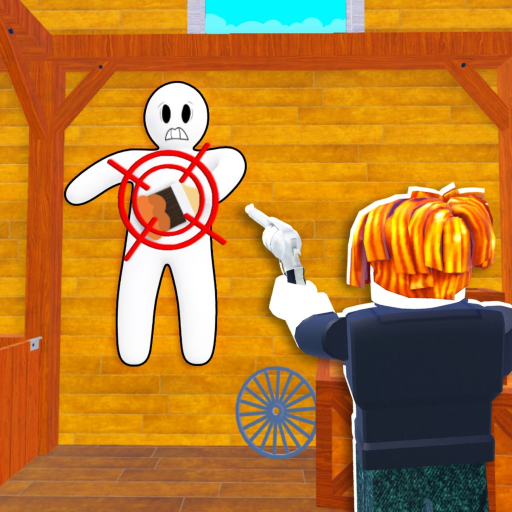
The "dummy" is your in-game avatar body that gets painted. The official Roblox description says "Paint your Dummy" — you coat the dummy in color, then position it against a matching surface. The dummy's shape matters: a flat, compact pose blends better than a sprawling one.

Camouflage / Blending

Blending is the act of pressing your painted dummy into a surface so it appears to be part of the map. Effective blending requires three things: (1) correct color match, (2) broken silhouette, and (3) stillness. Movement and mismatched color are the two ways Seekers spot you.

Full how-to-blend guide →

Seeker Detection

The Seeker wins by spotting camouflaged players. Seekers look for: color mismatches, movement, player outlines against surfaces, and known OP spots. A perfectly blended, motionless player in an uncommon spot is nearly impossible to find. See seeker strategy →

Map types

Known map environments

Chameleon Roblox rotates through several map environments. Each map's surfaces and objects determine which paint colors and hiding strategies work best.

Structure / Room Maps

Walls, floors, furniture, and corners — the most common map type. Lots of flat surfaces for color matching and object occlusion.

Mansion-style Maps

Larger rooms with varied decor and color surfaces. Popular in YouTube "mansion spots" content — more hiding variety but more ground for the Seeker to cover.

Cartoon / Stylized Maps

Bright, saturated colors and simplified geometry. Easier to color-match but harder to break your silhouette against flat cartoon surfaces.

Map names and rotation are not officially documented. This list is inferred from gameplay footage and YouTube content — verify in-game for the current patch.

FAQ

Frequently asked questions

Quick answers to the most common Chameleon Roblox mechanics questions.

What maps are in Chameleon Roblox?

Chameleon Roblox features multiple paint-and-hide maps where players coat their dummy in color and camouflage into walls, floors, and objects. Maps include varied environments — from mansion-style rooms to cartoon and structure-heavy layouts — each offering different hiding opportunities. The map rotation changes between rounds, so learning multiple maps improves your survival rate.

How do rounds work in Chameleon Roblox?

Each round assigns players as either Hiders or a Seeker. Hiders race to paint their avatar dummy at color pools, then blend into the map before the Seeker's search phase begins. The Seeker walks the map trying to spot camouflaged players. Survive the round without being found to win. Rounds support up to 16 players per server.

What are color pools and how do they work?

Color pools are map objects that coat your avatar dummy in a specific color. To camouflage effectively, you navigate to the color pool that matches the surface you want to blend into — a green pool for grass walls, a brown pool for wooden floors, and so on. Matching your paint color to your hiding surface is the core of the camouflage mechanic.

How is Chameleon Roblox different from Meccha Chameleon?

Chameleon Roblox is the free Roblox version of Meccha Chameleon (a paid Steam/console party game). Both share the same paint-and-hide camouflage loop, but the Roblox version is free, runs in-browser and on mobile, and supports up to 16 players per server. The official Roblox description credits Meccha Chameleon as the inspiration.

Related

Connect to player decisions

Use these pages to turn mechanics knowledge into winning rounds.

Last reviewed 2026-06-10. Mechanics sourced from the official Roblox description and YouTube gameplay. Spot/map specifics should be verified in the current patch.